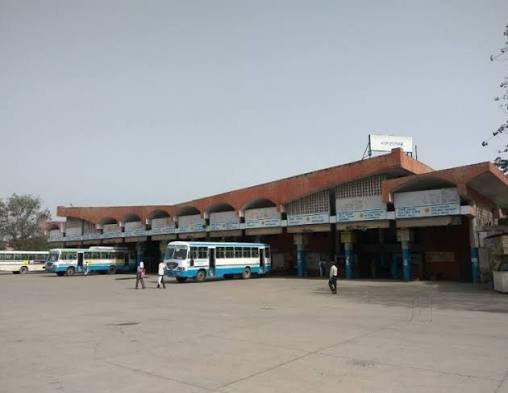
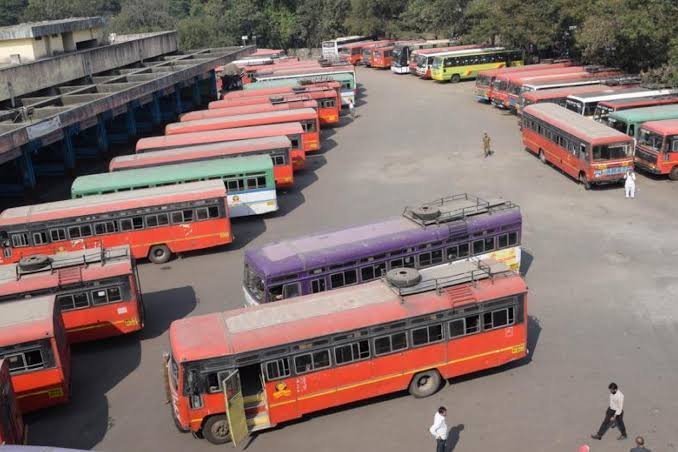
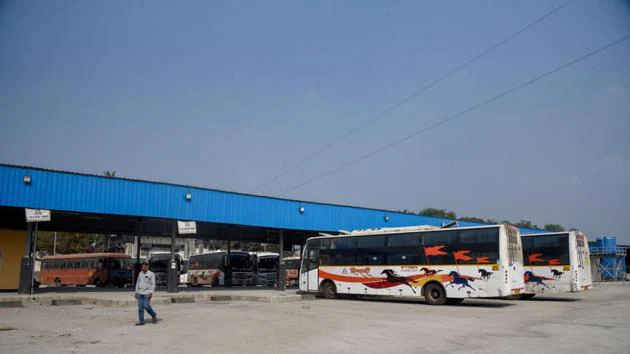
Every year, millions of Vaishno Devi pilgrims and Kashmir-bound travelers pass through Jammu, and the city’s genuine transport backbone runs through Narwal ISBT, the JKSRTC hub that has grown considerably over recent years to handle this steady flow. Whether you’re continuing toward Katra, connecting to Srinagar, or heading back down to Punjab and Delhi, understanding Jammu’s bus network genuinely matters for a smooth journey through this gateway city.
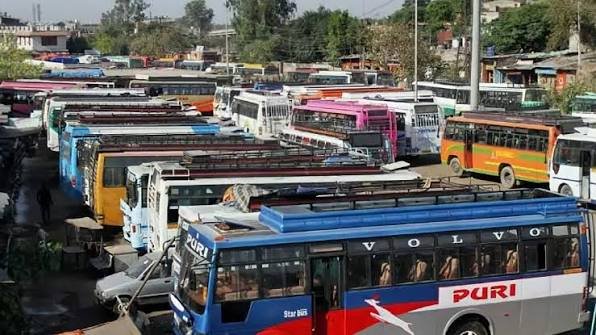
Jammu Bus Stand — Quick Overview
| Detail | Information |
| Main terminal | Narwal ISBT (Inter State Bus Terminal) |
| Operated by | Jammu and Kashmir State Road Transport Corporation (JKSRTC) |
| JKSRTC established | 1976 |
| Fleet size | Over 1,000 buses |
| Nearest railway station | Jammu Tawi Railway Station (JAT), 3 platforms (4 under construction) |
| Key routes | Srinagar, Katra, Delhi, Chandigarh, Amritsar, Haridwar |
| Bus categories | AC Sleeper, Semi-Sleeper, Ordinary, Mini buses |
Understanding Jammu’s Bus Network
This is genuinely important to know before travelling through Jammu. The city’s bus infrastructure isn’t concentrated in a single terminal, it spreads across several named points along the Narwal-Kunjwani-BC Road corridor, with Narwal ISBT functioning as the primary hub:
- Narwal ISBT (also called Narwal Bus Stand) – The main interstate terminal, including a dedicated parking area for long-distance buses
- BC Road (Bus Stand) – A significant secondary boarding and dropping point, close to Khana E Khazana
- Kunjwani Bypass / Kunjwani Chowk – A regularly used stop for both boarding and dropping
- Trikuta Shopping Complex – A well-known commercial landmark also used as a common pickup point
Given how many named points cluster along this corridor, checking the exact address on your ticket rather than assuming a single “Jammu Bus Stand” genuinely saves confusion.
Why Jammu’s Transport Network Matters So Much
Jammu functions as the essential gateway for two of North India’s most significant pilgrimage and tourism corridors, Vaishno Devi via Katra, and the Kashmir Valley via Srinagar. JKSRTC, established in 1976 and now the largest government-operated public transportation provider in India, maintains a genuinely extensive network built specifically to handle this year-round pilgrim and tourist volume, including a large fleet of mini buses designed for the remote mountainous terrain further north.
Getting to Jammu’s Bus Stands
Reaching the terminal area depends on your point of origin:
- From Jammu Tawi Railway Station — A short auto or cab ride, given the station’s central position and recent expansion, including a new Narwal-side entry building
- From Delhi, Chandigarh, or Amritsar — Regular JKSRTC and private services run these interstate corridors
- From Katra — Frequent connections given the close pilgrimage relationship between the two towns
- Within the city — Local autos and rickshaws connect most Jammu neighbourhoods to Narwal and BC Road
How the Network Functions
JKSRTC runs a genuinely comprehensive operation across Jammu’s various boarding points:
- The fleet includes AC Sleeper, Semi-Sleeper, and Ordinary buses, giving travelers meaningful choice based on budget and journey length
- A large mini bus fleet specifically serves remote mountainous areas of Jammu and Kashmir, where full-sized coaches can’t easily operate
- JKSRTC maintains a strong reputation for punctuality, staff behaviour, and hygiene compared to some other state operators
- Given the network of boarding points spread across BC Road, Kunjwani, and Narwal, confirming your specific pickup location well before travel day is genuinely advisable, particularly for early morning departures toward Srinagar or Katra
Major Routes From Jammu
Given its position as North India’s gateway to Jammu and Kashmir, the network reaches genuinely far in multiple directions:
- Srinagar – A major intrastate route through the Kashmir Valley, with real-time tracking available through booking platforms
- Katra – Extremely frequent connections for Vaishno Devi pilgrims, roughly a 2-hour journey
- Delhi – A significant interstate corridor, among JKSRTC’s top routes
- Chandigarh and Amritsar – Regular Punjab-bound interstate connections
- Haridwar – A popular pilgrimage route toward Uttarakhand
- Leh, Kargil, and Udhampur – Longer-distance mountain routes, particularly important during the summer travel season
Rail Connectivity Worth Knowing
Jammu Tawi Railway Station, the largest and most important railhead in the region, has undergone genuinely significant recent upgrades:
- A new second entry building on the Narwal side, roughly 4,500 sqm, has been added specifically to decongest the main entrance and improve access for bus-to-rail transfers
- The main station building is being expanded into a 15,600 sqm facility with modern waiting halls and passenger information systems
- New lifts, escalators, and wide foot-over bridges are part of the ongoing modernisation, alongside 5G connectivity and centralized CCTV monitoring
Nearby Areas
Given the spread of Jammu’s bus network along the Narwal-Kunjwani-BC Road corridor, several useful reference points help with orientation:
- Jammu Tawi Railway Station – A short ride away, the region’s primary rail hub
- BC Road – A significant secondary transport corridor near Khana E Khazana
- Kunjwani – A well-known bypass and boarding point along the same corridor
- Trikuta Shopping Complex – A commercial landmark also used as a common transit reference point
Frequently Asked Questions
Q1. Is Narwal ISBT the only place to catch a bus in Jammu?
No, several other points along the same general corridor, including BC Road, Kunjwani Bypass, and Trikuta Shopping Complex, also serve as regular boarding and dropping points for different operators. Checking your ticket’s exact address avoids confusion.
Q2. How long does the bus journey from Jammu to Katra take?
Roughly 2 hours, making it one of the most frequently travelled short corridors from Jammu given the steady year-round Vaishno Devi pilgrim traffic.
Q3. Are mini buses necessary for travel further into Jammu and Kashmir?
Yes, for remote mountainous areas beyond the main cities, JKSRTC operates a dedicated mini bus fleet designed to navigate terrain that full-sized coaches can’t easily handle, particularly on routes toward Leh and Kargil.
Q4. How do I transfer between Jammu Tawi Railway Station and the bus stands?
The station’s ongoing expansion includes a new Narwal-side entry, making transfers to nearby bus boarding points genuinely more convenient than before, though a short auto or cab ride is still typically needed to reach specific pickup points along BC Road or Kunjwani.