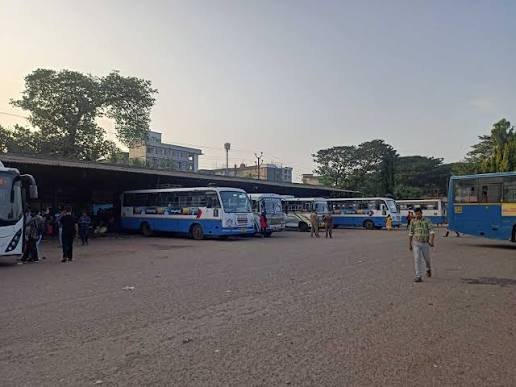
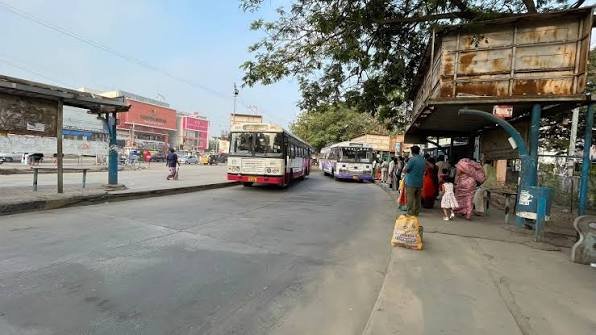
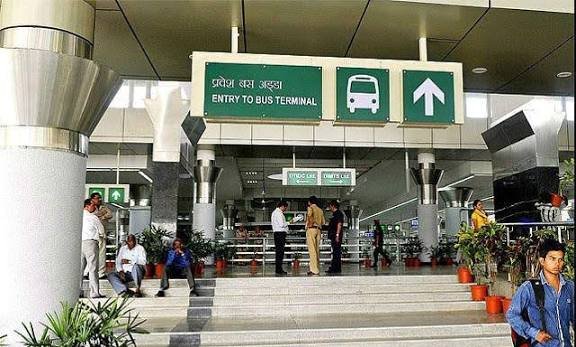
Long before Madurai’s Mattuthavani or Chennai’s Koyambedu terminals existed, Erode already had the largest bus station in Tamil Nadu. Built in 1973 and christened the Independence Day Silver Jubilee Bus Terminus to mark 25 years of independence, this terminal remains one of the state’s genuinely major transport hubs, now ranking third in size behind only those two bigger cities, and still handling an extraordinary daily volume for a city Erode’s size.
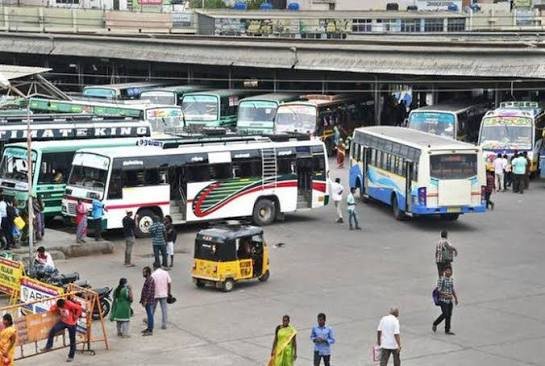
Erode Central Bus Stand — Quick Overview
| Detail | Information |
| Official name | Independence Day Silver Jubilee Central Bus Terminus |
| Location | Swastik Circle, VCTV Road, Erode, Tamil Nadu |
| Owned by | Erode City Municipal Corporation |
| Operated by | Department of Transport, Tamil Nadu |
| Opened | 1973 |
| Platforms | 11-13 (varies by source), around 100-120 bus bays |
| Daily passengers | Over 1,20,000 |
| Daily services | Approximately 4,200 (2,530 mofussil + 1,640 city) |
| Nearest railway station | Erode Junction, about 3 km south |
Where the Bus Stand Sits
Erode Central Bus Stand sits near Swastik Circle, right at the junction of Mettur Road and Sathy Road, roughly 3 km north of Erode Junction Railway Station. This positioning has made it a genuinely central anchor point for the city, and its scale, three integrated terminals combined under one facility, reflects decades of steady expansion since its original 1973 opening.
The main terminal building didn’t actually open until 1980, seven years after the site first began operations, with a second terminal building following in 1982 and a dedicated town bus terminal added during a 2003 expansion.
Understanding the Three-Terminal Structure
This is genuinely important to know before navigating Erode’s bus stand. Rather than a single unified facility, it operates as an integrated complex with three distinct sections:
- Mofussil Bus Stand – Handles outstation and intercity buses, with 75 bus bays spread across 5 platforms
- City Bus Stand – Serves intracity town buses, with 35 parallel bays across 6 platforms
- Minibus Stand – A smaller facility with 10 bays on a single bus finger for intracity minibus services
Given this structure, confirming which section your bus operates from before heading in saves genuine walking time, since the complex spans a considerable footprint.
Getting to Erode Bus Stand
Reaching the terminal is fairly manageable given its established central position:
- From Erode Junction railway station — Roughly 3 km, an easy auto or cab ride
- From Coimbatore International Airport — Frequent Coimbatore-bound buses run every 5 minutes from Erode, or cabs are available near the terminal for a more direct route
- By city bus — Regular intracity services connect most Erode neighbourhoods to the terminal
- By auto or cab — Widely available given the area’s high daily traffic
How the Terminal Functions
Given the sheer scale of daily traffic, Erode’s bus stand has been designed with genuine traffic management in mind:
- Separate entry and exit points help regulate the flow of the roughly 4,200 daily bus services
- TNSTC, SETC, and KSRTC each maintain separate information centres and booking counters within the complex
- A dedicated baby feeding room reflects the terminal’s attention to family travelers
- Basic health aid facilities are available on-site for emergencies
Major Routes From Erode
As Tamil Nadu’s third-largest bus terminus, Erode’s network extends across a genuinely wide stretch of South India:
- Tamil Nadu towns – Buses ply to nearly all major towns across the state, including Coimbatore, Salem, Tiruppur, and Karur
- Regional connections – Tiruchengode, Sankagiri, Surampatti, and other nearby towns via frequent local services
- Karnataka and Kerala – Regular interstate connections
- Andhra Pradesh and Puducherry – Additional interstate services through SETC and KSRTC
Future Expansion: Satellite Terminals
Erode’s core city area has grown increasingly congested, and the municipal corporation has responded with plans to decentralise mofussil traffic:
- A satellite terminal is planned at Solar along the Karur Highway near the Southern Outer Ring Road, designed to handle up to 1,200 mofussil services bound for South and Central Tamil Nadu districts
- A second satellite terminal is planned near Kaniravutharku Road to further reduce pressure on the core city terminal
While these developments are still in progress, they’re worth keeping in mind for anyone travelling through Erode in the coming years, since route assignments may eventually shift toward these newer facilities.
Facilities at the Stand
Given its scale and daily passenger volume, Erode Central Bus Stand maintains a genuinely comprehensive set of amenities:
- Separate ticket counters and information centres for TNSTC, SETC, and KSRTC
- A reverse osmosis water treatment plant for clean drinking water
- Baby feeding room for traveling families
- Auto and cab availability just outside for onward local travel
Nearby Areas
Since the terminal sits centrally within Erode, several useful reference points are close by:
- Erode Junction Railway Station – About 3 km south, easily reached by auto
- Swastik Circle – The immediate landmark marking the terminal’s location
- Thanthai Periyar Government Hospital – A well-known nearby facility
- Surampatti – A neighbouring locality within easy reach
Frequently Asked Questions
Q1. How do I know which section of Erode Bus Stand my bus departs from?
Check whether your route is intercity (Mofussil Bus Stand), intracity (City Bus Stand), or a minibus service, since the complex operates these as three distinct sections with separate platforms. Terminal staff and the separate information centres can help confirm the correct area.
Q2. How frequent are buses to Coimbatore Airport from Erode?
Very frequent, with Coimbatore-bound buses running roughly every 5 minutes, making it a genuinely reliable option, or cabs are available near the terminal for a more direct airport transfer.
Q3. Why is Erode’s terminal called the Silver Jubilee Bus Terminus?
It was named to commemorate the 25th anniversary (Silver Jubilee) of Indian independence, reflecting its 1973 establishment, even though the main terminal building itself didn’t open until 1980.
Q4. Will Erode’s mofussil routes eventually move to a different terminal?
Possibly, over time. The Erode City Municipal Corporation has planned satellite terminals near Solar on the Karur Highway and near Kaniravutharku Road specifically to reduce congestion at the core city terminal, so route assignments could shift as these developments progress.