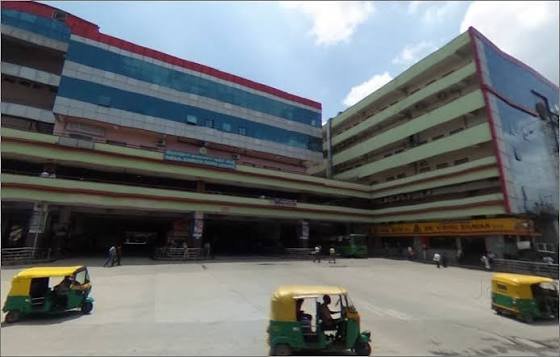
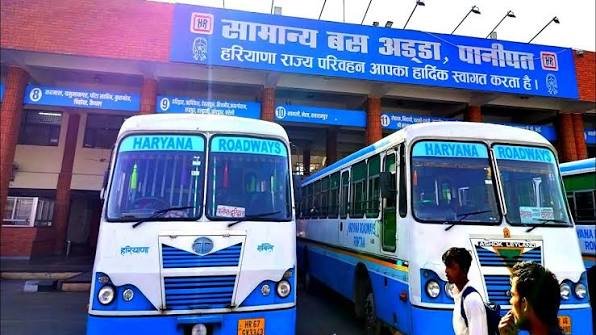
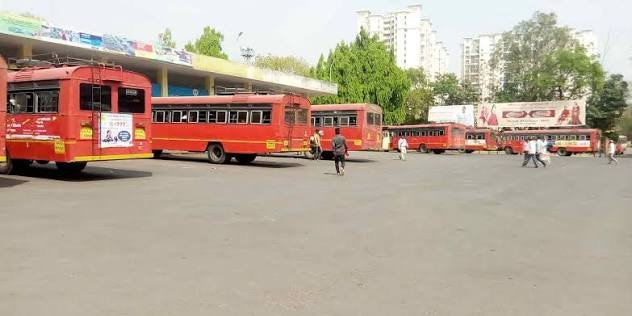
East Delhi’s genuine transport supercluster runs through Anand Vihar, where an ISBT, a major railway terminal, a metro interchange, and now a high-speed RRTS station all sit within a few hundred metres of each other. Officially named the Swami Vivekanand Inter State Bus Terminus, this facility was built in 1993 specifically to relieve pressure off the older, overcrowded Kashmere Gate ISBT, and it now handles roughly 2,000 local DTC and cluster buses daily alongside its core role connecting Delhi to Uttar Pradesh and Uttarakhand.
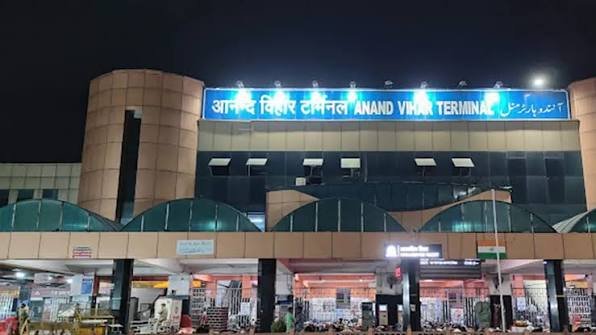
Anand Vihar ISBT — Quick Overview
| Detail | Information |
| Official name | Swami Vivekanand Inter State Bus Terminus (Anand Vihar ISBT) |
| Location | Anand Vihar, East Delhi, Delhi 110092 |
| Opened | March 1996 |
| Operated by | Delhi Tourism and Transportation Development Corporation (DTTDC) |
| Bus stands | 140 platforms |
| Bus operators | DTC, UPSRTC, Uttarakhand Transport Corporation |
| Key routes | Uttar Pradesh towns, Uttarakhand, Nepal border (Sonauli), Gorakhpur |
Why Anand Vihar Genuinely Matters
This ISBT was purpose-built in 1993 and opened to passenger service in March 1996, specifically to decongest the Maharana Pratap ISBT at Kashmere Gate, which had become overwhelmed by increasing traffic. Its location in East Delhi has proven genuinely strategic ever since, primarily serving bus connections into Uttar Pradesh and Uttarakhand, states that account for a huge share of Delhi’s daily interstate travel demand.
Where Anand Vihar ISBT Sits
Anand Vihar ISBT is located in East Delhi, positioned as part of a genuinely dense multimodal cluster. Within a short walk sit Anand Vihar Terminal railway station (7 platforms), the Anand Vihar metro station serving both Blue and Pink Lines, and the newer Anand Vihar RRTS station on the Delhi-Meerut Namo Bharat corridor, opened January 2025. Few transit points in India offer this level of concentrated connectivity.
Getting to Anand Vihar ISBT
Reaching the terminal is genuinely convenient given its multimodal density:
- By metro — Anand Vihar station on the Blue and Pink Lines sits roughly 100 metres away, an easy 2-3 minute walk
- By RRTS (Namo Bharat) — The underground Anand Vihar station connects directly toward Sarai Kale Khan and Modipuram
- From Anand Vihar Terminal railway station — Essentially adjacent, making rail-road transfers genuinely seamless
- By local DTC bus — Numerous routes converge here, including services from Seemapuri, Dilshad Garden, and Vaishali
Understanding the Terminal’s Scale
With 140 bus stands spread across the complex, Anand Vihar genuinely rewards a bit of preparation before arrival:
- Platforms are numbered and grouped by destination corridor, for instance Platform 75 for Anoopshahr, Platform 77 for Aligarh, and Platforms 127-128 for Bijnor and Ranikhet
- Given the sheer platform range, checking your specific number against the digital display boards or terminal staff is genuinely essential, rather than relying on general direction
- Around 2,000 local DTC and cluster buses also operate daily from the same facility, adding another dense layer of traffic on top of the interstate services
- The terminal is regarded as one of the busiest bus termini in India, linking east Delhi with the rest of the city as well as neighbouring states
Major Routes From Anand Vihar ISBT
Given its focus on Uttar Pradesh and Uttarakhand, the terminal’s network is genuinely dense across these two states:
- Aligarh, Anoopshahr, Amora – Regular UP-bound routes, each running from specific numbered platforms
- Bijnor, Ranikhet, Pithoragadh – Uttarakhand hill-region connections
- Sonauli, Gorakhpur, Nagina – Routes toward the Nepal border and eastern UP
- Lakhimpur, Tanakpur, Banbasa, Nepalganj – Longer routes toward the Nepal frontier and Kumaon region
- Bageswar, Rema, Masi, Dewal – Deeper Uttarakhand hill connections
- Baliya, Azamgarh, Ghazipur, Deoria – Eastern UP destinations
Facilities at the Terminal
As one of Delhi’s three major ISBTs, Anand Vihar offers genuinely comprehensive amenities:
- Parking facilities available on-site
- Wheelchair and accessibility provisions
- Multiple entry gates, including Gate No. 1, 2, and 3
- Direct connectivity to metro, rail, and RRTS within the same complex
Nearby Areas
Given Anand Vihar’s position as a genuine multimodal hub, several notable connections sit within a very short distance:
- Anand Vihar Terminal Railway Station – Essentially adjacent, a major Indian Railways hub with 7 platforms
- Anand Vihar Metro Station – Roughly 100 metres away, serving both Blue and Pink Lines
- Anand Vihar RRTS Station – Underground, connecting toward Meerut via Namo Bharat
- Karkarduma – A nearby East Delhi locality, reachable via metro
Frequently Asked Questions
Q1. Is Anand Vihar ISBT the same as Kashmere Gate ISBT?
No, they’re two of Delhi’s three separate ISBTs. Anand Vihar was specifically built in 1996 to relieve overcrowding at Kashmere Gate (Maharana Pratap ISBT), and it focuses primarily on Uttar Pradesh and Uttarakhand routes, while Kashmere Gate covers a broader range of states.
Q2. How do I find my specific platform among Anand Vihar’s 140 bus stands?
Given the scale of the terminal, checking your ticket’s platform number against the digital display boards or asking terminal staff on arrival is essential, since platforms are grouped by specific destination corridors rather than a simple directional layout.
Q3. Is Anand Vihar ISBT connected to Delhi Metro and RRTS?
Yes, genuinely well-connected. The Anand Vihar metro station on the Blue and Pink Lines sits about 100 metres away, and the newer underground RRTS station connects directly toward Meerut, making this one of Delhi’s most integrated multimodal transit points.
Q4. Which states does Anand Vihar ISBT primarily serve?
Uttar Pradesh and Uttarakhand are the terminal’s core focus, with routes ranging from nearby towns like Aligarh to distant hill destinations like Pithoragadh and border crossings like Sonauli toward Nepal.