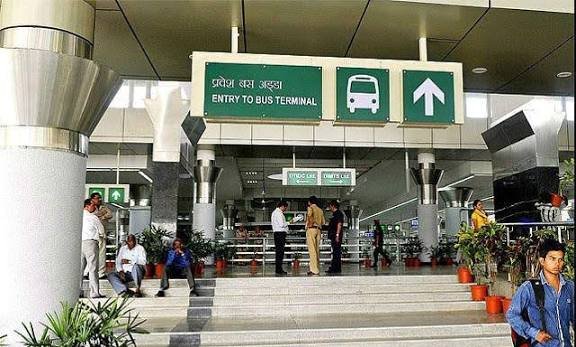
Say “ISBT” in Delhi and most people picture one place: Kashmere Gate. It’s the granddaddy of Delhi’s inter-state terminals, officially renamed Maharana Pratap ISBT, and it’s been moving passengers between the capital and seven neighbouring states since 1976. But Delhi actually runs three major ISBTs today, and knowing which one your journey needs can save you a very frustrating detour across the city.
ISBT Delhi — Key Facts
| Detail | Information |
| Full name | Maharana Pratap Inter State Bus Terminus (ISBT Kashmere Gate) |
| Opened | 1976 |
| Renamed | 1993, under the Delhi Development Authority |
| Area | Approximately 53,126 sq. metres |
| Total platforms | 20+ |
| States connected | Uttarakhand, Jammu & Kashmir, Haryana, Himachal Pradesh, Rajasthan, Punjab, Uttar Pradesh |
| Nearest metro | Kashmere Gate (Red, Yellow, Violet Lines) |
| Other Delhi ISBTs | Anand Vihar ISBT, Sarai Kale Khan ISBT |
Location and Why It’s Central
ISBT Kashmere Gate sits in Old Delhi, close to Lothian Road, in one of the city’s busiest transit pockets. Its location wasn’t chosen randomly. Back in the 1970s, this stretch of Delhi already anchored significant road and rail movement, and the terminal was built to plug directly into that existing network rather than sit apart from it.
What makes the location genuinely convenient today is the metro interchange right next door. Kashmere Gate metro station is the busiest in the entire Delhi Metro network, connecting the Red, Yellow, and Violet Lines at three different levels, elevated for Red, underground for Yellow and Violet. That kind of connectivity means arriving from almost any part of Delhi rarely takes more than a straightforward metro ride followed by a short walk.
Reaching the Terminal
A few practical routes to get here:
- By metro — Kashmere Gate station is a two to three minute walk from most ISBT entrances, and serves as an interchange for three separate lines
- By local bus — Dozens of DTC and cluster bus routes converge on the ISBT, including services numbered 105, 208, 214, 405A, 729, and many others
- By rail — Delhi Junction (Old Delhi Railway Station) is roughly a 10-minute walk, useful for travelers combining train and bus journeys
- By cab or auto — Widely available, though traffic around Old Delhi can slow things down considerably during peak hours
Understanding the Platform Layout
This is where ISBT Kashmere Gate genuinely rewards a bit of homework before you arrive. With over 20 numbered platforms grouped by destination corridor, walking in blind can mean a long, confused search.
Broadly, the terminal organises platforms like this:
- Platforms 1–6 — Services toward Baghpat, Saharanpur, Shamli, and nearby Uttar Pradesh towns
- Platforms 7–8 — Himachal-bound routes including Shimla, Mandi, Palampur, and Chamba
- Platforms 9–10 — Haryana and Punjab border routes via Ambala and Hoshiarpur
- Platforms 11–12 — Ludhiana, Ferozepur, and Nangal services
- Platforms 13–14 — Punjab destinations including Amritsar, Patiala, and Katra
- Platforms 15–16 — Haryana towns like Kurukshetra, Yamuna Nagar, and Pehowa
- Platforms 17–20 — Panipat, Sonipat, and Karnal corridor
Given how many platforms operate simultaneously, checking the digital display boards or asking terminal staff on arrival is far more reliable than guessing based on a previous visit, since operators do occasionally shift bay assignments.
Where You Can Travel From ISBT Kashmere Gate
The terminal’s seven-state reach makes it one of the most versatile transport hubs in North India:
- Uttar Pradesh towns including Saharanpur, Baghpat, and Meerut corridor
- Himachal Pradesh hill stations like Shimla, Manali-bound connections via Mandi, and Dharamshala
- Punjab cities including Amritsar, Ludhiana, and Chandigarh
- Haryana destinations across Karnal, Kurukshetra, and Ambala
- Jammu & Kashmir routes, particularly toward Katra for Vaishno Devi pilgrims
- Uttarakhand hill routes and Rajasthan-bound services
Buses here run a mix of state transport corporation services and private operators, with frequency ranging from every five minutes on high-demand Punjab and Haryana corridors to more spaced-out departures on longer Himachal and Uttarakhand routes.
Delhi’s Other Two ISBTs
Since “ISBT Delhi” technically covers three separate terminals, it’s worth knowing when Kashmere Gate isn’t your stop:
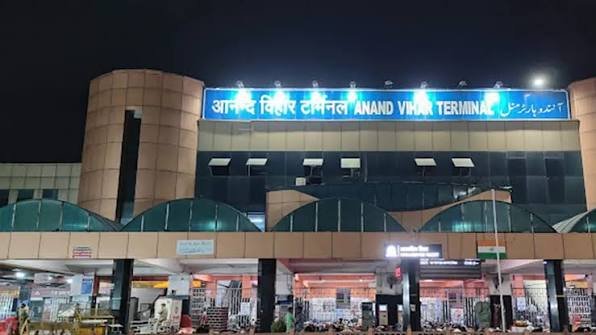
- Anand Vihar ISBT — Located in East Delhi, this handles most Uttar Pradesh and Uttarakhand-bound traffic, and sits beside Anand Vihar railway station
- Sarai Kale Khan ISBT — Positioned in South Delhi, primarily serving Rajasthan, Madhya Pradesh, and some southern routes
Booking platforms usually specify which of the three your ticket departs from, so it’s worth double-checking rather than assuming Kashmere Gate by default, especially for UP and Rajasthan-bound journeys.
Areas Around ISBT Kashmere Gate
The terminal sits in a historically dense part of Old Delhi, with several useful landmarks close by:
- Kashmere Gate metro station – Practically at the doorstep, serving three metro lines
- Old Delhi Railway Station – A short walk away, handy for rail transfers
- Chandni Chowk – A short metro ride south, useful for food and shopping before or after a journey
- Civil Lines – The historic residential district bordering the area to the north
Frequently Asked Questions
Q1. How do I know which of Delhi’s three ISBTs my bus departs from?
Your ticket or booking confirmation should specify Kashmere Gate, Anand Vihar, or Sarai Kale Khan explicitly. If it isn’t clear, checking with the operator before travel day avoids a wasted trip across the city, since the three terminals aren’t within easy reach of each other.
Q2. Is ISBT Kashmere Gate connected directly by metro?
Yes. Kashmere Gate metro station sits right beside the terminal and is an interchange for the Red, Yellow, and Violet Lines, making it one of the most metro-accessible bus terminals in Delhi.
Q3. How early should I arrive for a Himachal or Kashmir-bound overnight bus?
Given the terminal’s size and the number of platforms in operation, arriving at least 30 to 45 minutes early is sensible, particularly during peak tourist season when Himachal and Katra-bound platforms get considerably busier than usual.
Q4. Do platform numbers stay consistent for the same route every time?
Generally yes, since platforms are grouped by destination corridor, but operators occasionally reassign bays during high-traffic periods like festivals or long weekends. Checking the live display boards on arrival remains the safest way to avoid confusion.