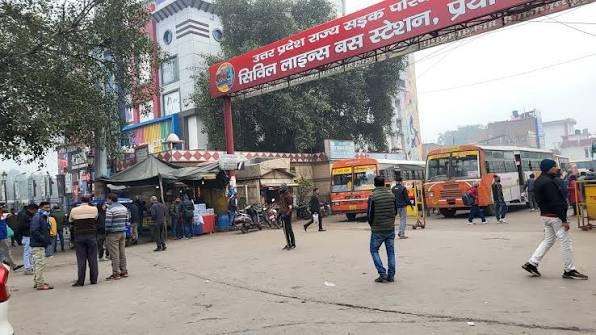
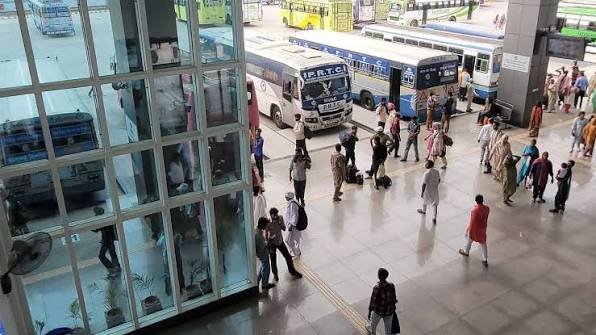
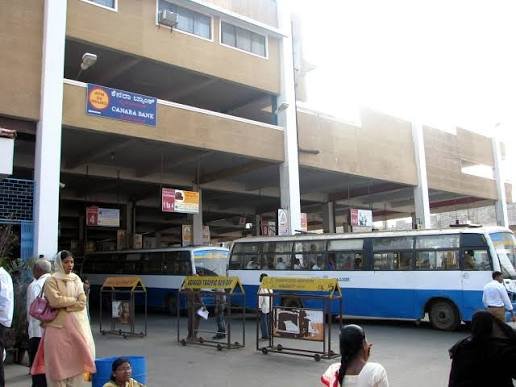
Millions of pilgrims pass through Katra every year, all heading toward the same destination: the sacred Vaishno Devi shrine perched in the Trikuta Mountains. Katra’s bus stand functions as the crucial last road stop before that 13.5-km trek begins, and for a town of just around 9,000 residents, it handles a genuinely extraordinary volume of pilgrim traffic, particularly from Jammu and neighbouring states.
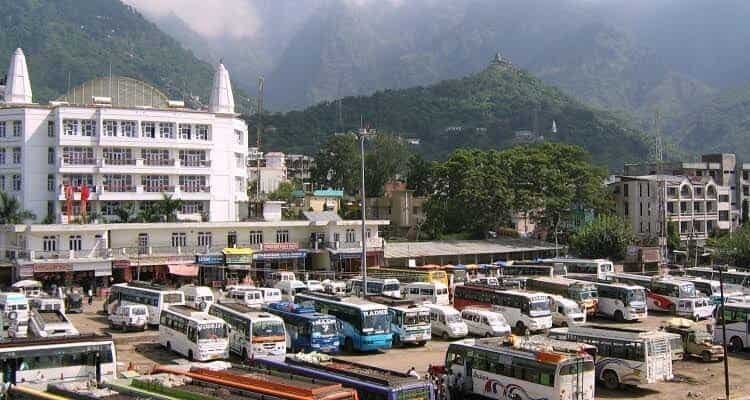
Katra Bus Stand — Quick Overview
| Detail | Information |
| Location | Katra, Reasi district, Jammu and Kashmir 182301 |
| Elevation | 875 metres |
| Distance from Jammu | Approximately 42-50 km |
| Distance from Udhampur | 35 km |
| Nearest railway station | Shri Mata Vaishno Devi Katra (SVDK), same town |
| Bus-to-Jammu frequency | Every 10-15 minutes |
| Key routes | Jammu, Delhi, Chandigarh |
| Trek to Vaishno Devi shrine | 13.5 km from Katra (starting at Banganga) |
Where the Bus Stand Sits
Katra sits at the foot of the Trikuta Mountains, roughly 42 km from Jammu city and about 35 km from Udhampur. As the designated base camp for the Vaishno Devi pilgrimage, the town’s entire infrastructure, including its bus stand, has developed specifically to serve this steady flow of devotees, and it shows in how tightly integrated the terminal is with the rest of the pilgrim journey.
The bus stand sits close to the Shri Mata Vaishno Devi Katra railway station, itself opened in 2014 and now a major stop for long-distance trains from across India, including the Delhi-Katra Vande Bharat Express and even the marathon Tirunelveli-Katra Express, one of India’s longest-running train services.
Getting to Katra Bus Stand
Reaching Katra depends heavily on your starting point, but road connectivity from Jammu is genuinely reliable:
- From Jammu Railway Station — Ordinary buses depart from the State Road Transport Bus Stand roughly 1 km from the station, while luxury buses are available just outside the railway station itself
- Bus frequency — Both ordinary and luxury buses run every 10-15 minutes, making this one of the more frequently serviced pilgrimage corridors in North India
- Journey time — Approximately 2 hours to cover the 50-km hilly, winding stretch from Jammu
- By taxi — Available at official approved rates, taking roughly 70-80 minutes; security checks along the route are routine
- From Delhi and Chandigarh — Regular direct bus services also operate to Katra for travelers not routing through Jammu
What Happens at the Terminal
Katra’s bus stand functions as the genuine transition point between mechanised transport and the pilgrimage trek itself:
- A taxi stand and bus stand sit right outside the railway station, giving arriving pilgrims immediate onward options
- Most pilgrims transition here from bus or train directly toward accommodations and then the trek’s starting point at Banganga
- Given the volume of religious tourism, expect noticeably higher crowds during peak pilgrimage seasons and major festivals
- Security checks are a routine part of travel along this route, given the town’s significance as a major pilgrimage center
Getting From Katra to Vaishno Devi Shrine
Since the bus stand’s primary role is feeding pilgrim traffic toward the shrine, understanding the onward journey matters:
- The traditional and most popular route is a 13.5-km trek starting from Banganga
- The path passes through key checkpoints including Charan Paduka, Adhkuwari, and Sanjichhat before reaching the Bhawan (main temple complex)
- The full route is well-illuminated, since most pilgrims travel through the night
- Facilities including drinking water, toilets, and medical dispensaries are available throughout the trek
Major Routes From Katra Bus Stand
The terminal’s network reflects Katra’s role as both a pilgrimage hub and a well-connected North Indian town:
- Jammu – The most frequent and heavily travelled route, with buses every 10-15 minutes
- Delhi – Direct long-distance services for pilgrims and tourists bypassing Jammu
- Chandigarh – Additional interstate connectivity
- Local hill routes – Connections toward nearby towns within Reasi district
Nearby Areas
Given Katra’s compact size and singular focus on pilgrimage tourism, several relevant points sit close to the bus stand:
- Shri Mata Vaishno Devi Katra Railway Station – Right in the same town, a major rail hub for pilgrim arrivals
- Banganga – The starting point of the trek toward Vaishno Devi, a short distance from the bus stand
- Deva Mai Temple – About 4 km outside Katra, traditionally considered the second darshan point in the pilgrimage sequence
- National Guest House and other hotels – Clustered close to the bus stand for pilgrims needing rest before or after the trek
Frequently Asked Questions
Q1. How long does the bus journey from Jammu to Katra take?
Approximately 2 hours to cover the 50-km hilly, winding stretch, with both ordinary and luxury bus options departing every 10-15 minutes from Jammu.
Q2. Should I take the train or bus to reach Katra?
Both are reliable. The train, including the Delhi-Katra Vande Bharat Express, offers a comfortable direct option for longer distances, while buses from Jammu are more frequent and suited to travelers already in the city or preferring road travel through the scenic hill route.
Q3. How far is the actual Vaishno Devi shrine from Katra bus stand?
The trek itself is 13.5 km, starting from Banganga near the town, and passes through checkpoints like Charan Paduka and Adhkuwari before reaching the Bhawan, so plan for several hours of walking after arriving in Katra.
Q4. Are there direct buses to Katra from Delhi, or do I need to route through Jammu?
Direct bus services do operate from Delhi and Chandigarh to Katra, so routing through Jammu isn’t strictly necessary, though Jammu remains the more frequently serviced and shorter connection for most pilgrims.