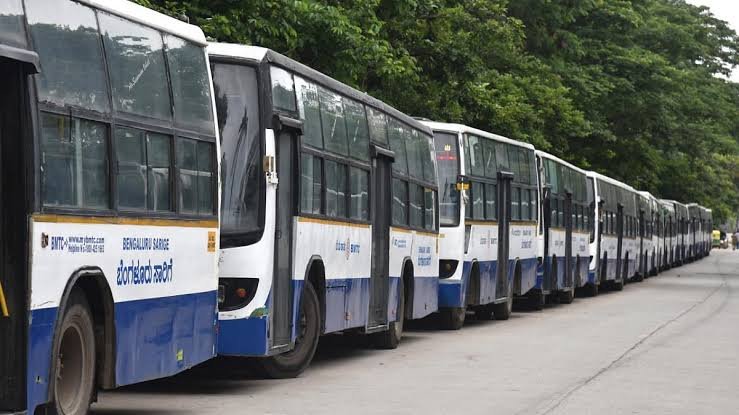
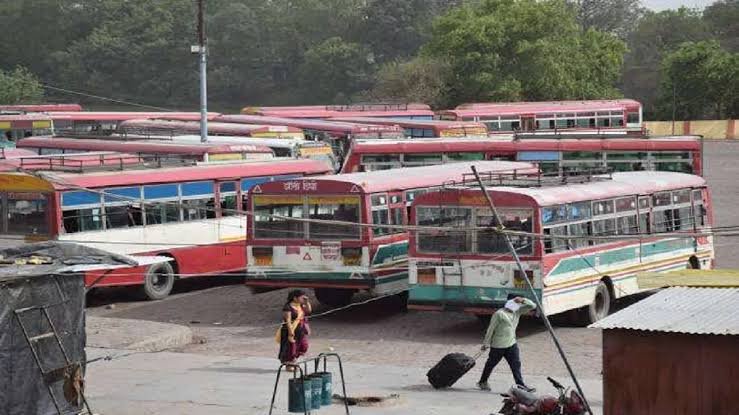
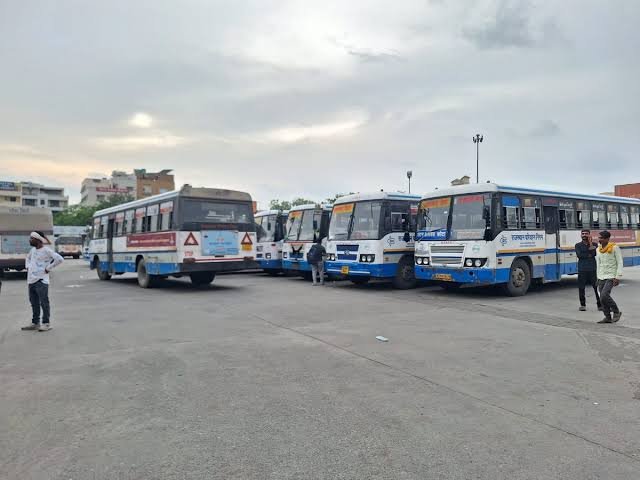
Every year, lakhs of pilgrims step off a bus in Haridwar and walk straight toward the sound of the Ganga at Har Ki Pauri. That first stop, more often than not, is Haridwar ISBT, sitting directly opposite the city’s railway station and functioning round the clock as one of Uttarakhand’s busiest transport gateways. Whether you’re here for a quick darshan or planning to continue further into the Garhwal hills, understanding how this terminal works makes the journey considerably smoother.
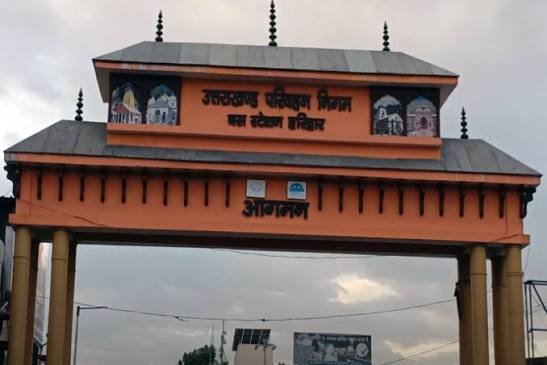
Haridwar Bus Stand — Overview
| Detail | Information |
| Also known as | Haridwar ISBT |
| Location | Shikhu Pur, Devpura, Haridwar, Uttarakhand |
| Operated by | Uttarakhand Transport Corporation (UTC), plus private operators |
| Operating hours | 24/7 |
| Distance from Har Ki Pauri | Approximately 2.5–3 km |
| Bus categories | Ordinary, Deluxe (push-back), AC, premium Volvo |
| Key routes | Delhi, Dehradun, Rishikesh, Jaipur, Lucknow, Chandigarh, Garhwal region |
| First/last bus | Services start around 4:00 AM, continue until midnight |
Where the Bus Stand Sits
Haridwar ISBT is located in Shikhu Pur, Devpura, directly opposite Haridwar Junction railway station. That positioning alone makes it one of the more convenient terminals in North India for travelers combining rail and road journeys, since crossing between the two rarely takes more than a couple of minutes.
The terminal sits roughly 2.5 to 3 km from Har Ki Pauri, the ghat most pilgrims come to visit first. It’s an easy enough distance for a short auto or e-rickshaw ride, though during major festivals like Kanwar Mela or Kumbh, that stretch of road can get considerably more crowded than usual.
Getting to the Bus Stand
Reaching Haridwar ISBT is fairly straightforward given its central, well-known location:
- From Haridwar railway station — Literally across the road, an easy walk for most travelers
- From Har Ki Pauri — Local autos, Vikrams, e-rickshaws, and taxis all cover the 2.5–3 km stretch reliably
- From Delhi and NCR — Frequent UTC and private buses run this corridor throughout the day
- From Dehradun and Rishikesh — Short, high-frequency services connect these nearby cities to Haridwar
What the Terminal Offers
Given the volume of pilgrim traffic passing through Haridwar year-round, the ISBT has been built to handle sustained footfall rather than occasional rush:
- Sheltered waiting areas with proper seating
- Multiple ticket counters, both UTC and private operator windows
- Electronic display boards showing real-time schedule updates
- A functioning canteen, along with water coolers and restrooms, including some paid deluxe toilet facilities
- Adequate parking space for private vehicles dropping off or picking up passengers
Reviewers consistently note the terminal as clean and well-organised with helpful staff, though it does get noticeably crowded during peak pilgrimage seasons and major festivals, so a bit of extra patience helps during those periods.
Bus Categories and Booking
Haridwar ISBT runs a genuinely wide spread of bus types to suit different budgets and comfort levels:
- Ordinary buses – The most economical option, particularly for short hill-region hops
- Deluxe (push-back) buses – A step up in comfort for medium-distance routes
- AC buses – Suited to longer daytime journeys, especially during Haridwar’s hot summer months
- Premium Volvo services – The most comfortable option for longer interstate routes like Delhi or Chandigarh
Tickets can be booked either online through UTC’s official channels or offline at the counter, though booking ahead during major festival periods is genuinely advisable given how quickly seats fill up.
Major Routes From Haridwar
The terminal’s route network splits fairly cleanly into two categories: plains-bound interstate services and hill-region connections.
Interstate and plains routes:
- Delhi, including direct services to Kashmere Gate ISBT
- Dehradun and Rishikesh, both running at high frequency
- Jaipur, Lucknow, and Chandigarh for longer interstate travel
- Meerut, Saharanpur, Ghaziabad, Kanpur, and Bareilly, covering much of western and central Uttar Pradesh
Garhwal and hill routes:
- Pauri and Rudraprayag, popular with both locals and pilgrims heading further into the hills
- Badrinath, Uttarkashi, and other Char Dham corridor destinations, particularly busy during yatra season
- Nainital and Ranikhet for travelers continuing into Kumaon
Nearby Areas Worth Knowing
Since the terminal sits centrally in Haridwar, a handful of reference points help orient first-time visitors:
- Haridwar Junction Railway Station – Directly opposite the bus stand, ideal for rail transfers
- Har Ki Pauri – The city’s most visited ghat, roughly 2.5–3 km away
- Mansa Devi Temple – A well-known hilltop shrine accessible from the bus stand area
- Chandi Devi Temple – Another prominent religious site nearby, often visited alongside Mansa Devi
Frequently Asked Questions
Q1. How far is Haridwar Bus Stand from the railway station?
They sit directly opposite each other, making this one of the most convenient rail-to-road transfer points in North India, with most travelers covering the distance on foot in under a minute.
Q2. Does Haridwar ISBT get very crowded during festivals?
Yes, significantly. During Kanwar Mela, Kumbh, and other major pilgrimage periods, both the terminal and the surrounding roads see heavy footfall, so arriving earlier than usual and booking tickets in advance is genuinely worthwhile.
Q3. Can I book a Volvo bus directly to Delhi from Haridwar?
Yes, premium Volvo services run regularly on the Haridwar-Delhi corridor, including direct connections to Kashmere Gate ISBT, offering a considerably more comfortable option than ordinary buses for the longer journey.
Q4. Is Haridwar ISBT a good base for reaching the Char Dham circuit?
It serves as an important gateway, with regular services toward Rudraprayag, Uttarkashi, and Badrinath-bound routes, particularly during the yatra season, though travelers heading deep into the Garhwal hills often find it useful to confirm current road conditions before departure, since mountain routes can be affected by weather.