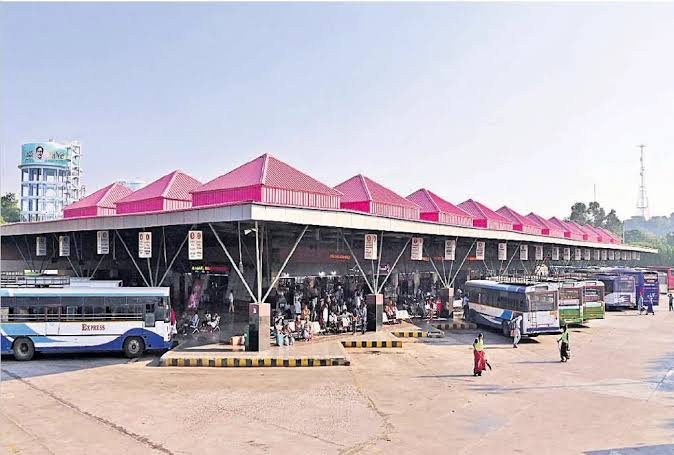
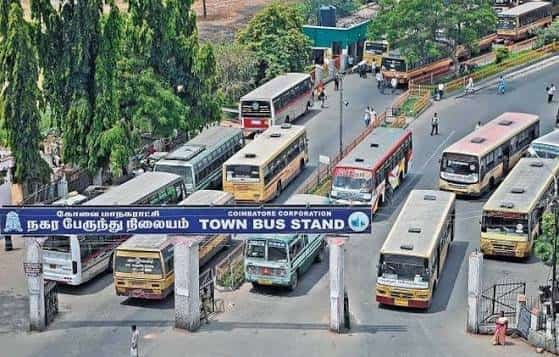
South Chennai’s transit weight genuinely falls on Tambaram, one of the fastest-growing railway hubs outside Chennai Central, and its adjoining MTC bus terminus carries a proportionate share of daily traffic. With around 150,000 commuters passing through the railway station alone every day, and both a metro line and dense bus network converging right beside it, Tambaram functions as a genuine multimodal anchor for this entire stretch of the city.
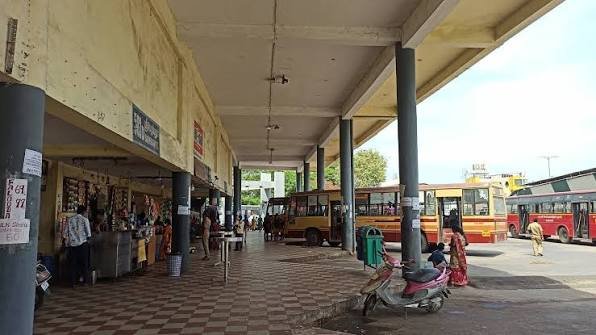
Tambaram Bus Stand — Quick Overview
| Detail | Information |
| Location | Tambaram, Chennai, Tamil Nadu |
| Operated by | Metropolitan Transport Corporation (Chennai) |
| Adjoining railway station | Tambaram Railway Station (TBM), 10 platforms |
| Metro connection | Tambaram metro station, Chennai Metro Blue Line |
| Distance from Chennai Central | 26 km |
| Daily railway passengers | Approximately 150,000 |
| Key connections | Chennai city routes, Kilambakkam corridor |
Where Tambaram Bus Stand Sits
Tambaram Bus Stand sits directly beside Tambaram Railway Station, one of the busiest suburban rail hubs in the city and the third busiest station in Chennai overall, after Chennai Central and Chennai Egmore. This adjacency genuinely matters, the two facilities function together as a combined transit point, and the Chennai Metro’s Blue Line station sits right alongside as well, giving Tambaram a level of multimodal integration few other Chennai suburbs can match.
Tambaram itself sits roughly 26 km from Chennai Central, positioned along the historic Chennai Egmore-Thanjavur main line, and has grown into one of the fastest-expanding rail and transit nodes south of the city core.
Getting to Tambaram Bus Stand
Reaching the terminal is genuinely convenient given how many transport modes converge here:
- By suburban train — Tambaram Railway Station handles around 500 suburban electric trains daily, including services between Chennai Beach, Chengalpattu, and Kancheepuram
- By metro — The Tambaram metro station on Chennai Metro’s Blue Line connects directly, with the bus terminus right alongside
- By MTC city bus — Numerous routes converge here connecting Tambaram to central Chennai, Guindy, Saidapet, and beyond
- By auto or cab — Widely available given the area’s high daily traffic volume
Understanding Tambaram’s Transit Role
This is genuinely important context for anyone navigating South Chennai. Tambaram functions as a critical link in the wider Chennai transport network, not just a local stop:
- More than 25 express trains, including services bound for Howrah and other northern Indian destinations, pass through Tambaram, alongside the dense suburban network
- The bus terminus connects directly to Broadway Bus Terminus routes, which historically served Tambaram as one of its core corridors before mofussil operations shifted elsewhere in the city
- Chennai Metro’s planned Corridor 1 extension, running from the Airport to Kilambakkam via Pallavaram, Tambaram, Perungalathur, and Vandalur, would further strengthen Tambaram’s role as a connecting point toward the newer southern bus terminus
How the Terminal Functions
Given Tambaram’s substantial daily passenger volume, a few practical points genuinely help:
- MTC buses run frequent city routes connecting Tambaram to central Chennai destinations, historically including direct links from Broadway via Anna Salai, Saidapet, and Guindy
- The dense combination of rail, metro, and bus traffic means peak-hour congestion is genuinely significant, so building in extra time during morning and evening rush is advisable
- Given the volume of routes and the adjoining rail and metro stations, checking your specific bus number against a live transit app helps navigate the area efficiently
Major Routes From Tambaram Bus Stand
Given its position as a major South Chennai transit hub, Tambaram’s network reaches across the city and toward Kilambakkam’s newer southern terminal:
- Central Chennai – Regular MTC connections toward Anna Salai, Saidapet, Guindy, and the broader city core
- Kilambakkam corridor – Buses connecting toward the newer Kalaignar Centenary Bus Terminus for southbound long-distance travel
- Local South Chennai suburbs – Dense connectivity to Chromepet, Pallavaram, and other nearby localities
- Suburban rail connections – Frequent EMU services toward Chennai Beach, Chengalpattu, and Kancheepuram from the adjoining railway station
Nearby Areas
Given Tambaram’s position as a major transit node, several notable spots sit within reach:
- Tambaram Railway Station – Directly adjacent, one of Chennai’s busiest suburban hubs
- Tambaram Sanatorium – A nearby locality with its own railway station, home to the Government Hospital of Thoracic Medicine
- Kilambakkam – A short distance south, home to Chennai’s newer bus terminus for southbound long-distance travel
- Chromepet and Pallavaram – Neighbouring South Chennai suburbs with strong bus connectivity to Tambaram
Frequently Asked Questions
Q1. Is Tambaram Bus Stand directly connected to the railway station and metro?
Yes, genuinely so. The MTC bus terminus sits right beside Tambaram Railway Station, and the Chennai Metro Blue Line station is also connected, making this one of Chennai’s more integrated multimodal transit points.
Q2. How busy is Tambaram compared to other Chennai railway and bus hubs?
Very busy. Tambaram Railway Station alone handles around 150,000 commuters daily, making it the third busiest station in Chennai after Chennai Central and Chennai Egmore, with the adjoining bus terminus carrying a proportionate share of that traffic.
Q3. Can I catch a long-distance bus to South Tamil Nadu from Tambaram?
Not directly for most long-haul mofussil services, since those primarily operate from Kilambakkam further south. However, MTC buses do connect Tambaram to the Kilambakkam corridor, making it a workable transfer point.
Q4. Will Tambaram get better metro connectivity to Kilambakkam in the future?
Yes, a planned Chennai Metro extension from the Airport to Kilambakkam via Pallavaram, Tambaram, Perungalathur, and Vandalur is under active consideration by the state government, which would further strengthen Tambaram’s role as a connecting hub.