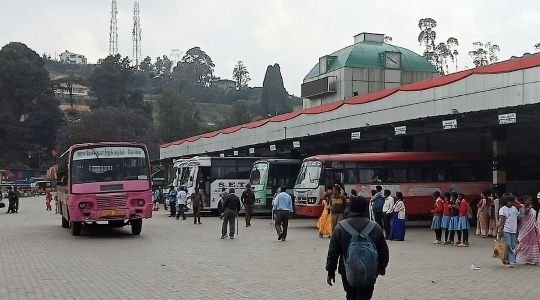
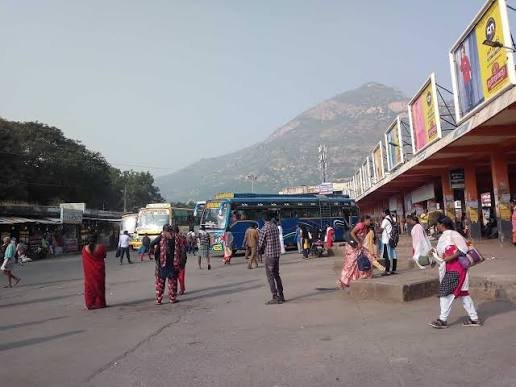
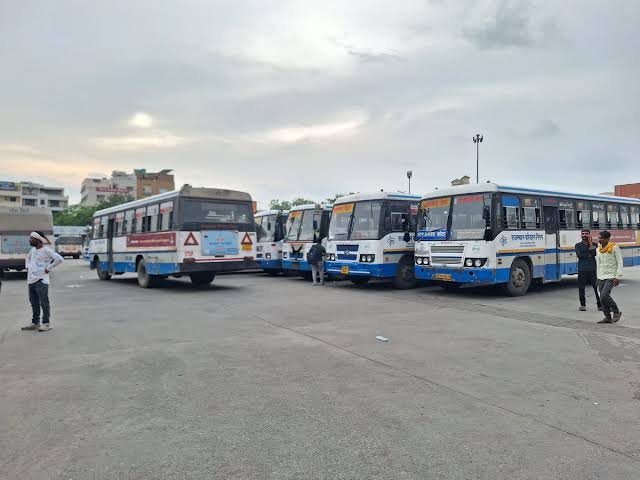
Just across the Karnataka border, Hosur has grown into one of Tamil Nadu’s most significant industrial towns, and its bus terminal reflects that economic weight. Named after former Hosur town panchayat president K. Appavu Pillai, this terminal sits right on NH 44, funnelling a genuinely dense mix of factory workers, Bengaluru commuters, and interstate travelers through a single integrated hub.
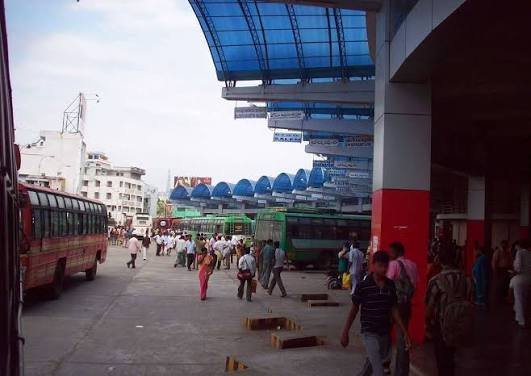
K. Appavu Pillai Memorial Bus Terminus — Quick Overview
| Detail | Information |
| Official name | K. Appavu Pillai Memorial Bus Terminus |
| Location | National Highway 44, Hosur, Tamil Nadu |
| Owned by | Hosur Corporation |
| Operated by | Tamil Nadu State Transport Corporation (TNSTC) |
| Originally built | Early 1980s |
| Reconstructed | 2007-2010, cost ₹6.80-10.5 crore |
| Structure | Integrated City and Mofussil terminus |
| Nearest railway station | Hosur Railway Station (HSRA), 3 platforms |
Why Hosur’s Terminal Sits on NH 44
Hosur’s position directly on National Highway 44, the historic Varanasi-Kanyakumari corridor, and just minutes from the Karnataka border, genuinely shapes its transport identity. This is one of Tamil Nadu’s most significant industrial belts, home to major automotive and manufacturing units, which means the terminal carries a steady daily flow of workers commuting alongside long-distance travelers passing through en route to Bengaluru or deeper into Tamil Nadu.
The current terminal was rebuilt between 2007 and 2010 specifically to accommodate NH 44’s road expansion, replacing the original early-1980s facility, and was formally commissioned that year.
Where the Bus Terminus Sits
Appavu Pillai Memorial Bus Terminus is located directly on NH 44 within Hosur town, positioned to handle both city and mofussil (intercity) traffic from a single integrated site. This dual-function design means the terminal genuinely serves two distinct purposes at once, local commuter movement within Hosur and its surrounding industrial areas, alongside longer-distance intercity and interstate connections.
Hosur Railway Station, on the Salem-Bangalore line via Dharmapuri, sits nearby and offers a workable rail-road transfer option for travelers combining train and bus journeys.
Getting to Hosur Bus Terminus
Reaching the terminal is fairly manageable given its central position on NH 44:
- From Hosur Railway Station — A short auto or cab ride connects the two transit points
- From Bengaluru — Frequent TNSTC and Karnataka KSRTC services run this heavily travelled interstate corridor, given Hosur’s proximity to the border
- From Krishnagiri and Dharmapuri — Regular intrastate connections along the same NH 44 corridor
- Within Hosur — Local city buses and autos connect the industrial belt and residential areas to the terminal
How the Terminal Functions
As an integrated City and Mofussil bus terminus, Hosur’s facility handles a genuinely mixed operational load:
- TNSTC operates the bulk of both local city routes and longer intercity services from the same site
- Interstate operators, including Karnataka, Kerala, and Andhra Pradesh state transport corporations, also run services from this terminal
- Given Hosur’s dense daily commuter traffic tied to its industrial economy, checking your specific platform or boarding point helps navigate the terminal efficiently, particularly during shift-change hours
- The terminal’s NH 44 location means through-traffic remains consistently high, similar to other highway-junction towns along this historic corridor
Major Routes From Hosur Bus Terminus
Given its industrial significance and border-adjacent position, the terminal’s network spans both Tamil Nadu and Karnataka:
- Bengaluru – One of the busiest interstate corridors, heavily used by daily commuters and business travelers alike
- Krishnagiri – A short, frequent regional connection along NH 44
- Dharmapuri and Salem – Longer intrastate routes extending further into Tamil Nadu
- Chennai – A significant interstate-adjacent long-distance corridor
- Karnataka destinations – Additional connections via KSRTC services, given the town’s proximity to the state border
Facilities at the Terminal
Following its 2007-2010 reconstruction, Hosur’s terminal offers reasonably comprehensive amenities:
- Multiple counters covering TNSTC and interstate operator bookings
- Designated parking facilities
- Bicycle parking accommodations, a detail reflecting the terminal’s accessibility for nearby industrial workers
- A structure specifically designed to handle both city and mofussil traffic from one integrated site
Nearby Areas
Given the terminal’s central Hosur location on NH 44, several useful reference points sit close by:
- Hosur Railway Station – A short ride away, on the Salem-Bangalore rail line
- Hosur industrial belt – The town’s major automotive and manufacturing zone, driving much of the terminal’s daily commuter traffic
- NH 44 corridor – The highway stretch running directly through and past the terminal
- Karnataka border – A short distance away, reflecting the town’s genuine cross-border commuter relationship with Bengaluru
Frequently Asked Questions
Q1. Why is Hosur’s bus terminal named after K. Appavu Pillai?
The terminal honours K. Appavu Pillai, a former MLA and Hosur town panchayat president, and the naming was formalised when the rebuilt facility was commissioned in 2010 following the NH 44 expansion project.
Q2. Is Hosur Bus Terminus good for daily Bengaluru commuters?
Yes, given Hosur’s close proximity to the Karnataka border and its significant industrial workforce, this is one of the terminal’s busiest and most frequently serviced corridors, with regular TNSTC and KSRTC connections.
Q3. Does the terminal handle both local and long-distance buses?
Yes, it’s specifically designed as an integrated City and Mofussil terminus, meaning local Hosur city routes and longer intercity or interstate services all operate from the same facility.
Q4. How do I get from Hosur Railway Station to the bus terminus?
A short auto or cab ride connects the two, making combined rail-road travel through Hosur reasonably straightforward for travelers arriving via the Salem-Bangalore rail line.